Skip to content

Anthurium Crystal Papillon 'Inverse crossing' (seedling)

(Anth. Crystal Dress x Anth. papillilaminum)

Plant and Pot size: seedling

Discover me in the Nursery:

Original price $35.00 - Original price $35.00
Original price
$35.00
$35.00 - $35.00
Current price $35.00

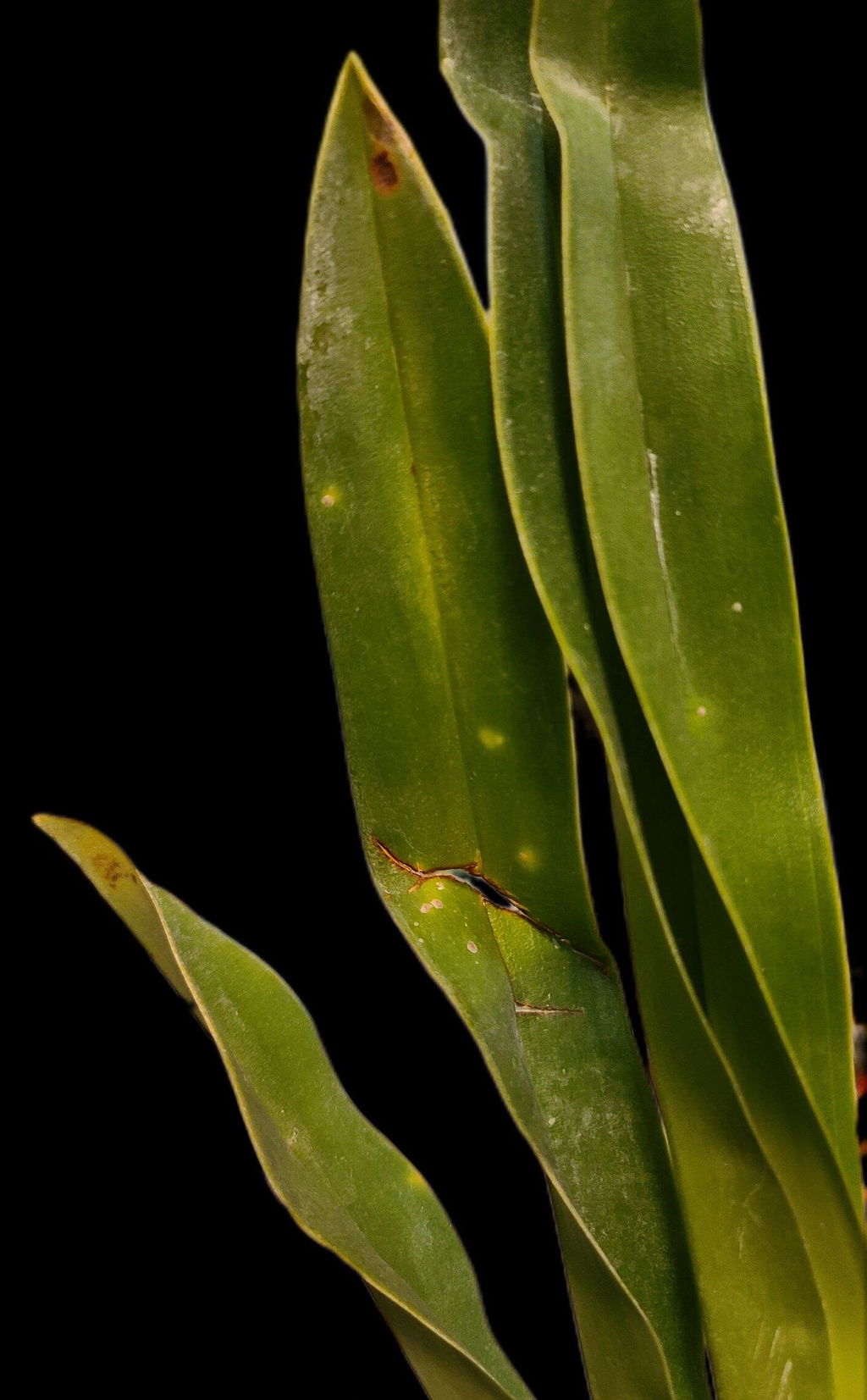
This image is for illustration purposes only. The actual plant may vary in shape and color from the image as they are propagated from seeds. Plants are shipped without flowers.

More information

Anthurium Crystal Papillon 'Inverse crossing' (seedling)

Anthurium Crystal Papillon 'Inverse crossing' (seedling)

A seedling from the Crystal Papillon line, produced through an inverse crossing of the original parents. Two broad, symmetrical ovate leaves spread wide from the center like butterfly wings — the inspiration behind the name Papillon — with a cool silver-blue-green tone that gives the foliage a luminous, metallic quality from the very first leaf.

  • Light: Bright indirect light; avoid direct sun. Thrives near an east- or north-facing window, or under grow lights.
  • Temperature: Intermediate-warm growing — 65°F–82°F (18°C–28°C). Protect from temperatures below 60°F (15°C).
  • Humidity: 70–90%. Use a humidifier or high-humidity enclosure for best results. Avoid dry air from heating or AC vents.
  • Watering: Water thoroughly when the top inch of the substrate feels dry. Use a well-draining, chunky aroid mix. Never let roots sit in standing water.
  • Growth Habit: Low and spreading; the wide-opening leaf pairs create a broad, butterfly-like silhouette. Benefits from a moss pole or totem as it matures.
  • Maintenance: As a seedling, this plant benefits from stable humidity and temperatures. Avoid sudden environmental changes and repot only when roots are well established.

Additional Notes:

The lightly bullate surface has subtle cream primary venation and a silver-green sheen that catches light softly. New growth emerges in warm copper tones before maturing to the characteristic cool silver-green. The 'Inverse crossing' designation indicates the parent plants were used in reverse order, which may result in minor variation between individuals.